Species Profile:
Species Profile: Great Crested Newts - Licensed GCN Surveys in Scotland
At EP Ecology, we provide licensed great crested newt (GCN) surveys across Scotland for developers, homeowners, and planners. As a European Protected Species, great crested newts and their habitats are protected under UK and Scottish law, making early ecological assessment critical for any project involving ponds, wetlands, or damp grassland.
From our base in East Kilbride, our ecological consultants deliver fast, compliant GCN surveys using both traditional and eDNA methods. With reports typically turned around in 10 working days following completion of the surveys, we help keep projects on track while ensuring legal compliance and biodiversity protection.
Why Choose EP Ecology for Your Great Crested Newt Survey?
- Reports delivered in 10 working days
- Licensed great crested newt surveyors in Scotland
- Based in East Kilbride, covering all of Scotland
- Fully compliant with Scottish & UK wildlife law
- Trusted by planners, architects & developers
Get a Free Quote Today
Need a GCN survey in Lanarkshire or anywhere else in Scotland?
Call our friendly team or fill out a quick enquiry form to receive a no-obligation quote.
Why Are Great Crested Newt Surveys Required in Scotland?
Great crested newts (Triturus cristatus) are legally protected under the Conservation (Natural Habitats, &c.) Regulations 1994. It is a criminal offence to:
- Capture, injure or kill a GCN;
- Disturb a newt or damage its breeding or resting place; or
- Obstruct access to their habitats.
If your project involves work within 500 metres of a pond or wetland, you may need a GCN survey to support your planning application.
Common triggers for a GCN survey:
- Proposed works near ponds, ditches, or marshy ground
- Land clearance affecting damp grassland or scrub
- Developments on farmland or brownfield sites with waterbodies
- Any site within a known GCN area (check local records)
Early assessment reduces the risk of enforcement, delays, or project complications.
Understanding Great Crested Newt Ecology
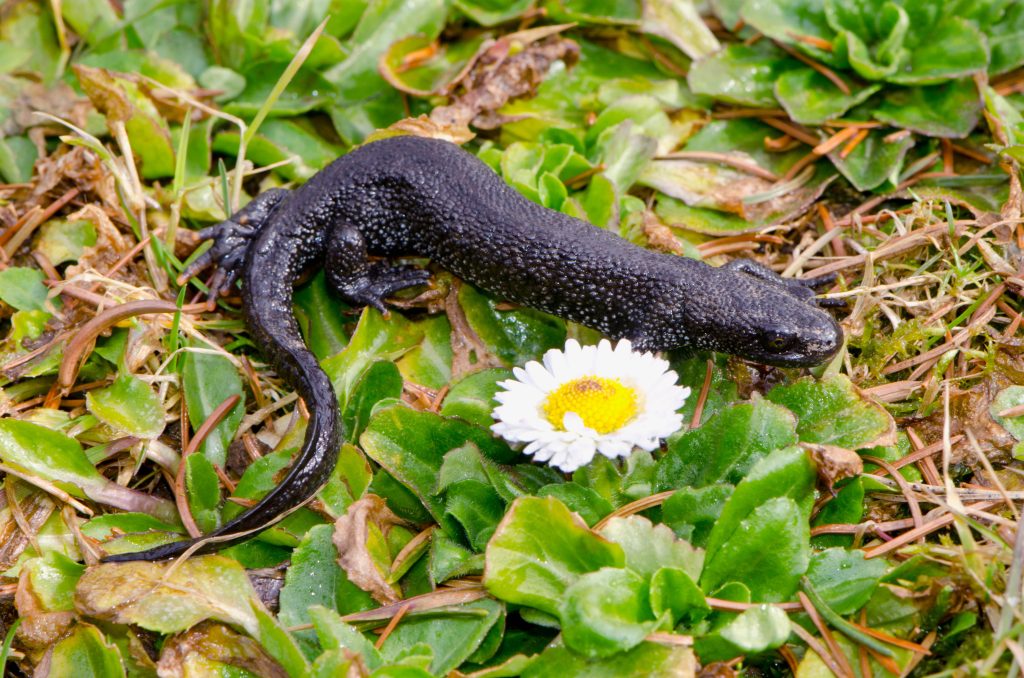
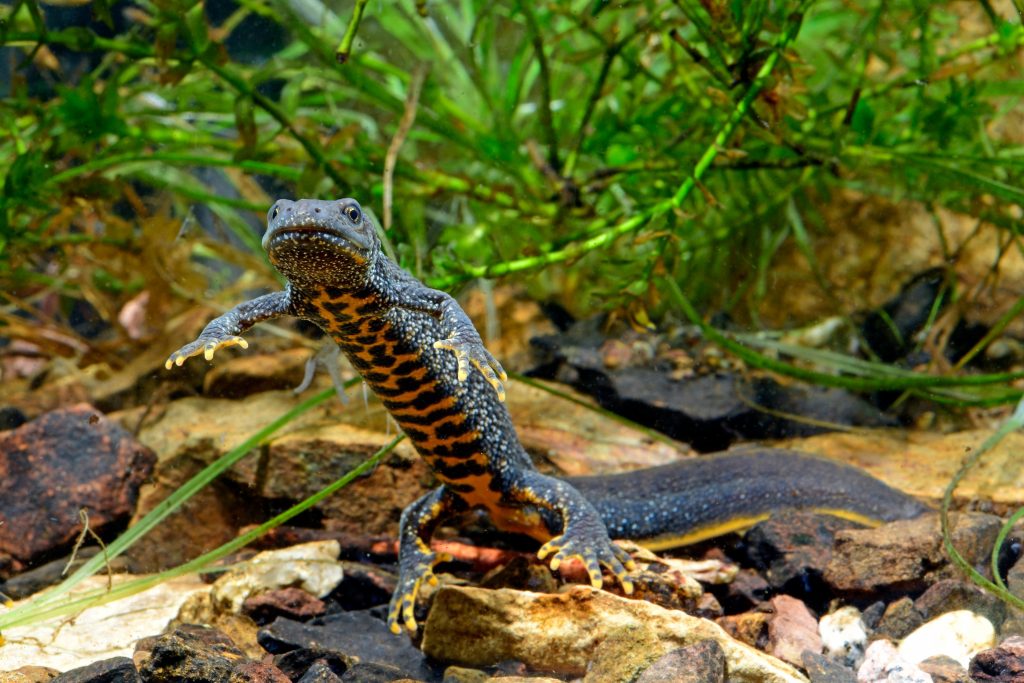
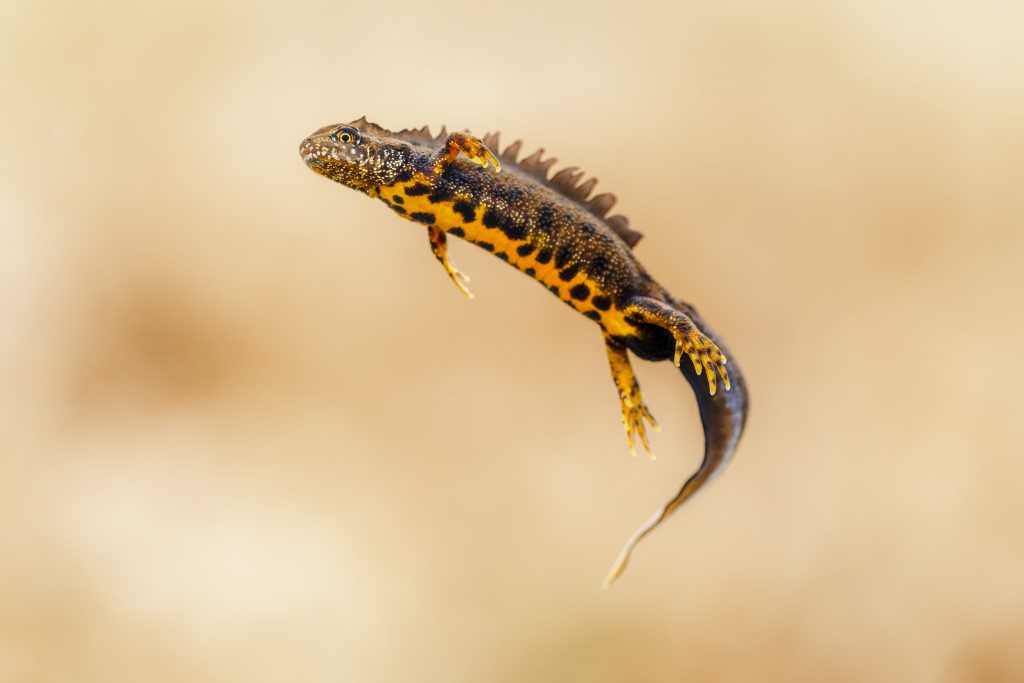
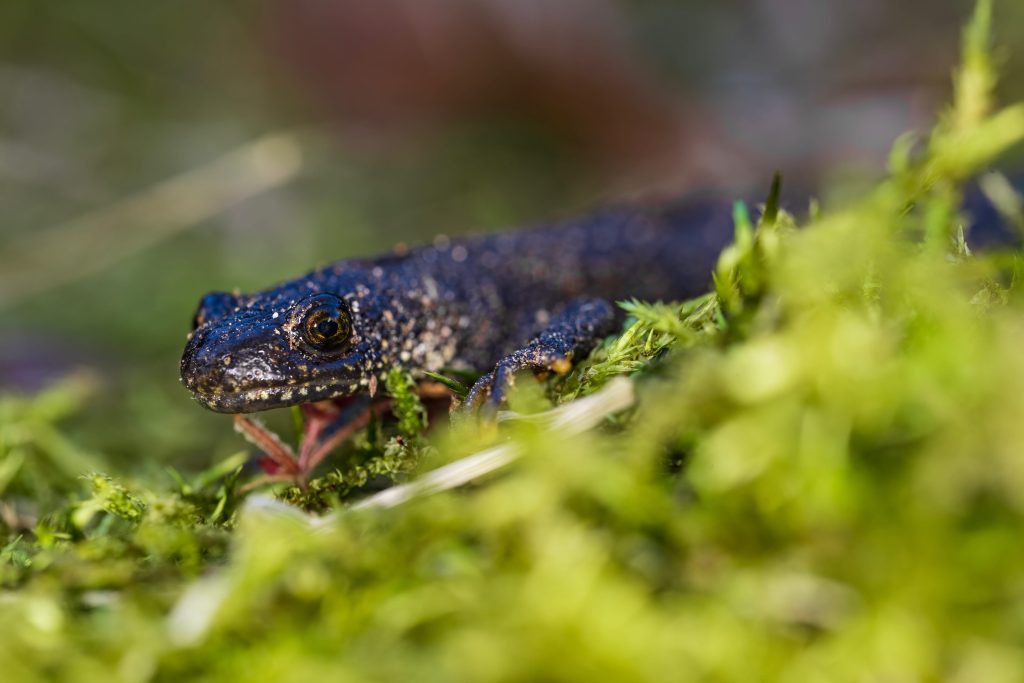
Great crested newts are the largest newt species in the UK, identifiable by their dark, warty skin and striking orange or yellow belly with black blotches.
Key facts:
- Found across mainland Scotland, though populations are fragmented
- Breed in ponds from March to June
- Spend most of the year on land in rough grassland, woodland edges and hedgerows
- Hibernate in frost-free places like log piles, rubble, and tree roots from October to February
- Return annually to the same breeding pond
Even if GCN are not using them, their habitat is protected, including ponds and surrounding terrestrial areas.
How Our Great Crested Newt Surveys Work
All GCN surveys follow best practice and NatureScot licensing guidelines. The approach depends on seasonal timing and site conditions.
Habitat Suitability Index (HSI)
Initial assessment of pond quality and surrounding land to determine the likelihood of GCN presence.
eDNA Testing (Mid-April to June)
We collect water samples from ponds and send them to a specialist lab to detect GCN DNA.
- Requires only a single visit
- Fast, non-invasive and highly accurate
- Accepted by most planning authorities
Traditional Surveys (Mid-March to Mid-June)
Used when eDNA is inconclusive, not possible, or suggests a positive result, to determine population size. Involves 4–6 pond visits using approved techniques:
- Torchlight surveys
- Bottle trapping
- Netting
- Egg searching
Each method helps confirm GCN presence, population size, and breeding status.
What Happens If GCN Are Found?
If great crested newts are found on or near your site, development may still proceed – but licensing and mitigation will be required.
Our ecologists will support you with:
- NatureScot licence applications
- Mitigation plans (e.g., exclusion fencing, new pond creation)
- Timing constraints to avoid breeding season disruption
- Habitat enhancements to meet National Planning Framework (NPF4) requirements
We ensure all steps are completed to avoid delays and maintain legal compliance.
Where We Work
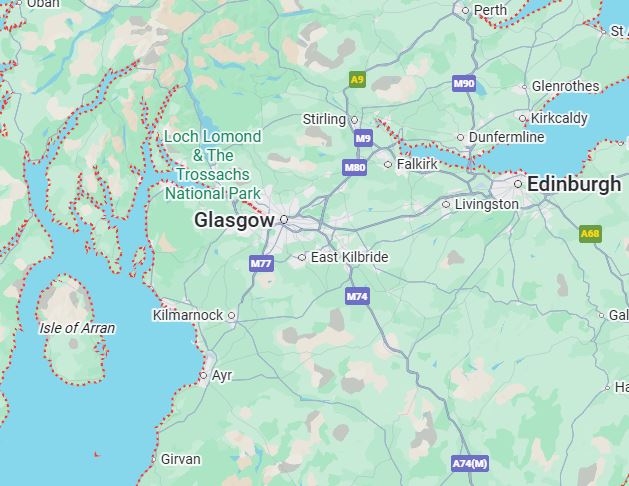
Our Ecology consultants based in East Kilbride carry out great crested newt surveys across:
- Glasgow & Greater Glasgow
- Lanarkshire
- Dunbartonshire
- Inverness
- Edinburgh
- Fife
- Central Scotland & beyond
About EP Ecology
Founded in 2020, EP Ecology is a specialist ecological consultancy supporting planning applications across Scotland. We’re committed to delivering:
- Fast, accurate, and legally compliant surveys
- Deep knowledge of Scottish wildlife and planning policy
- Support from start to finish – from surveying to licensing
- Conservation-focused recommendations that support biodiversity
We regularly assist with:
- Residential developments
- Infrastructure schemes
- Renewable energy projects
- Conservation and rewilding work
Book a Great Crested Newt Survey in Scotland Today
Don’t risk delays or legal issues – ensure your site is assessed by a licensed GCN surveyor.
📞 Call us: 01355 457577
📧 Email us: info@epecology.co.uk
💬 Fill out our quick enquiry form