If you are preparing a planning application in Scotland, planning authorities must consider whether a proposal could affect legally protected animals, birds, or their habitats. That means issues involving bats, badgers, otters, nesting birds, great crested newts, reptiles, and other species often need to be assessed before consent is granted. NatureScot’s planning advice is clear that applicants should identify potential impacts, provide enough survey information, and set out how harm will be avoided or reduced.
For developers, architects, planning consultants, landowners, and homeowners, the practical message is simple. Do not wait until a planning condition or an objection forces the issue. Early ecological input can help you understand whether a protected species survey is required, what seasonal survey windows apply, and whether licensing may be needed later. We support this process across Scotland through Preliminary Ecological Appraisals and targeted protected species surveys.
Why Do Protected Species Matter in Scottish Planning?
Protected species matter because they are not just an ecological issue; they are a planning issue. Our advice is intended to help applicants and planning officers assess development proposals that could affect protected species, including survey requirements, legal protection, licensing, and measures to minimise impacts. In practice, this means protected species can become a material consideration in deciding whether an application is valid, supportable, or likely to be delayed.
In Scotland, the legal framework is spread across more than one piece of legislation. The Wildlife and Countryside Act 1981 remains a core statute, especially for birds, water voles, and other protected wildlife. European protected species in Scotland, including all bats, otters, and great crested newts, are also protected under the Conservation (Natural Habitats, &c.) Regulations 1994, as amended. Badgers and their setts are separately protected under the Protection of Badgers Act 1992.
The key planning takeaway is that permission should not rely on guesswork. If a site has buildings, mature trees, ponds, ditches, wetlands, watercourses, dense vegetation, or other suitable habitat, your application may need survey evidence to show what is present, what is at risk, and how impacts will be addressed.
What Does the Law Actually Protect?
The answer depends on the species. For example, all wild birds in Great Britain are protected, and some rarer or more disturbance-sensitive species receive additional protection through the schedules to the Wildlife & Countryside Act. That is why even relatively small works, such as demolition, roof works, or vegetation clearance, can create legal risk if active nests or specially protected birds are affected.
Bats receive especially strong protection in Scotland. All 10 bat species found in Scotland are European protected species, and protection extends not only to the animals but also to the places they use. This is why a bat issue can affect projects involving roof spaces, older buildings, bridges, trees with cavities, and lighting proposals near commuting or foraging habitats.
Otters and great crested newts are treated similarly. Otters and their holts are fully protected, and great crested newts and the places they use are protected even from disturbance. In planning terms, that means proposals near rivers, lochs, burns, ponds, or suitable terrestrial habitat can require more than a simple desk review.
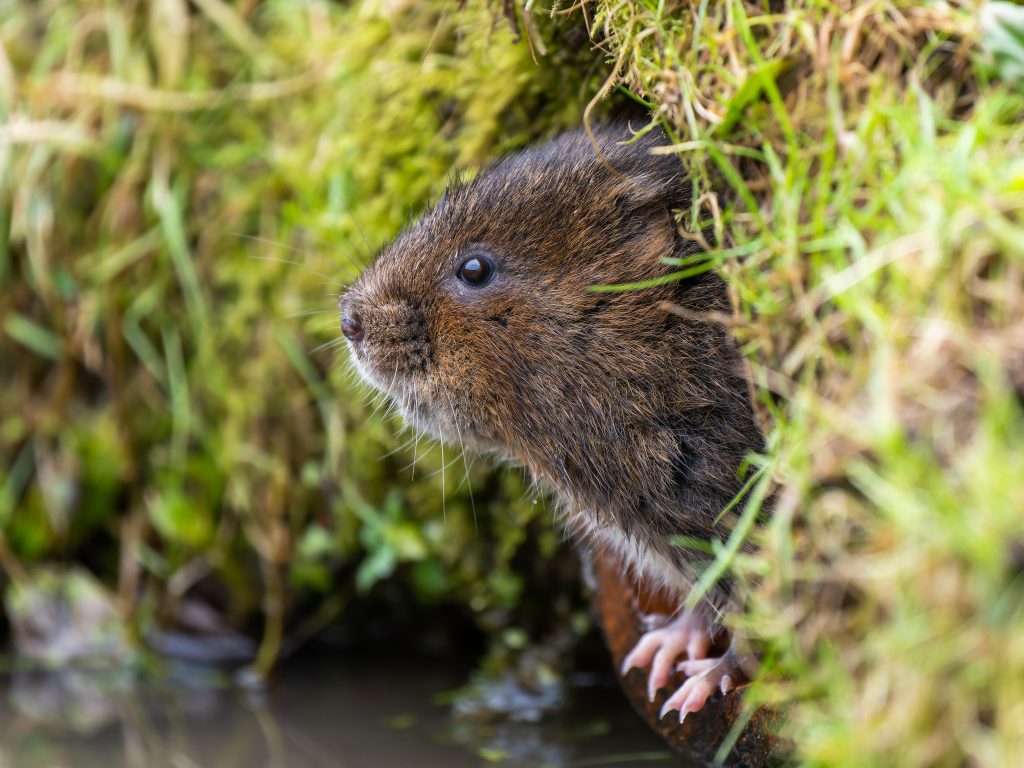
Water voles are a good reminder that protection can be species-specific. In Scotland, the water vole receives partial protection, restricted to its places of shelter or protection rather than extending to the animal itself in the same way as some other species. Even so, development affecting burrows or bankside habitat can still create a legal problem and may still require survey and design changes.
When is a Protected Species Survey in Scotland Likely to be Needed?
A survey is usually triggered by risk, not certainty. You do not need to prove a bat, otter, badger, or nesting bird is present before instructing an ecologist. You need to identify whether the site contains habitat or features that could support them. That is one reason a Preliminary Ecological Appraisal, often called a PEA, is so often the starting point. A PEA is a rapid ecological assessment that identifies constraints, opportunities, and whether further detailed surveys are needed.
Common triggers for a protected species survey in Scotland include:
- Demolition or conversion of buildings, especially older properties, barns, schools, churches, and structures with roof voids, which may trigger bat considerations.
- Works to mature trees or woodland edges, which can affect bats, birds, and sometimes badgers.
- Development near ponds, which can trigger a great crested newt assessment.
- Projects beside rivers, burns, lochs, ditches, or wetlands can raise issues for otters, water voles, birds, and invasive species.
- Vegetation clearance between spring and summer, when nesting birds are particularly relevant.
- Groundworks in rural or edge-of-settlement areas, where badgers and reptiles may be present.
- Developments on urban brownfield where invertebrates, plants, and invasive weeds can be a key consideration.
A useful rule of thumb is this. If your proposal changes habitat, removes structures, alters banksides, adds lighting, or intensifies activity close to potential resting or breeding places, ecological input is probably needed before your planning pack is finalised.
Which Protected Species Most Often Affects Planning Applications in Scotland?
Are bats one of the most common planning considerations?
Bats are one of the most frequently encountered protected species in planning because they use buildings, roof spaces, wall cavities, bridges, and trees. If a project may impact buildings, trees, or other features where bats could roost, the local planning authority may require a bat survey. All Scottish bat species are European protected species.
A real-world example is a loft conversion or farm building conversion in Scotland. A seemingly simple scheme can be delayed if a bat roost assessment was not commissioned early enough, especially if follow-up emergence surveys are then required during the active season – that is why survey timing matters as much as the survey itself.
Should You Consider Birds Even on Small Sites?
Yes. All wild birds are protected, and active nests cannot be intentionally or recklessly damaged or disturbed. This catches many applicants out because the issue is not limited to large rural developments. Simple vegetation clearance, roof works, and façade works can all clash with nesting bird protection if the timing is wrong.
Are Badgers Still a Consideration for Land-Based Development?
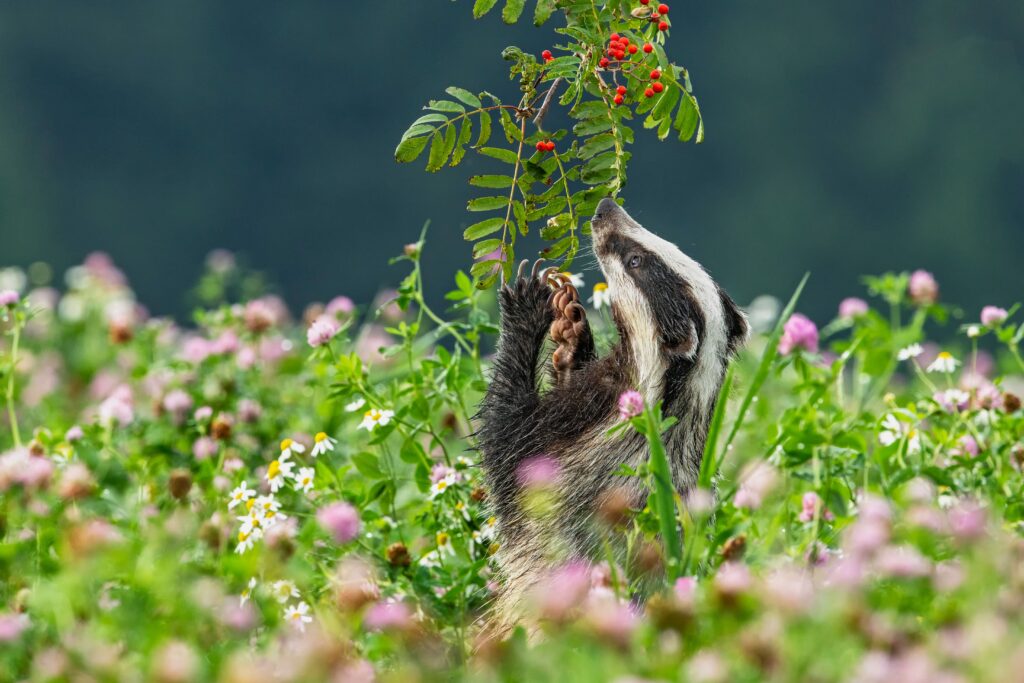
Absolutely. Both badgers and their setts are protected. Sites involving field edges, woodland margins, embankments, or rural access routes can all require badger checks, especially if ground disturbance is proposed. If a sett may be affected, licensing may also become relevant.
When Do Otters & Water Voles Become Relevant?
Otters are particularly important on sites near rivers, burns, lochs, coastlines, and culverts. Water voles are commonly relevant on ditches, canals, drainage channels, and well-vegetated banks, especially where engineering or clearance works are proposed. We help applicants and planning officers deal with development that could affect them.
How Ecologists Help
Ecological Evidence should cover:
- What habitats and features are on the site
- Which protected species could realistically be present
- What survey work has been completed
- What seasonal limitations apply
- What impacts the proposal could cause
- How those impacts will be avoided, reduced, or compensated
- Whether a licence may be needed at a later stage
How Can You Avoid Planning Delays Linked to Protected Species?
The biggest mistake is leaving ecology too late. We often speak to clients who have missed survey windows because the provided insufficient biodiversity data, commonly causing delays. If you discover too late that your site needs bat emergence surveys, great crested newt work, or otter assessment, for example, you may be pushed into the next survey season.
A more reliable process looks like this:
- Commission a PEA early, ideally before finalising the design or submitting the application.
- Use the PEA to identify likely protected species constraints and the need for targeted follow-up work.
- Check seasonal survey windows so the project programme reflects real ecology timings.
- Build mitigation into the scheme design, rather than treating it as a late add-on.
- Plan for licensing where relevant, particularly for European protected species or badger sett interference.
For example, a house extension may sound minor, but extensions can still require ecological assessment where roof alterations, tree removal, old buildings, or nearby ponds and wetlands are involved. The same principle applies to larger commercial and infrastructure schemes, only with more moving parts and greater planning risk.
What Role Does a Preliminary Ecological Appraisal Play?
A Preliminary Ecological Appraisal is often the bridge between uncertainty and action. It does not automatically replace species-specific surveys, but it helps establish whether further survey work is needed and provides a defensible ecological baseline for the planning process. Our PEA service includes desktop data gathering, site habitat survey work, and a report suitable for submission to the local planning authority.
What Should Applicants Do Next?
If your site is in East Kilbride, Lanarkshire, or elsewhere in Scotland, start with risk screening rather than assumptions. A building with roof voids may point to bats. A ditch with burrows may point to water voles. A pond and rough grassland mosaic may point to great crested newts. A river corridor may point to otters and nesting birds. The sooner those risks are identified, the more control you keep over timescales, design, and cost.
Our team of ecologists help from early assessment through to specialist survey and licensing support, including Protected Species Surveys, Bat Surveys, Great Crested Newt Surveys, Bird Surveys, and post-consent ecology services. For applicants who want to avoid delay, that joined-up approach is often more valuable than treating each issue as a separate emergency.
Need Help with Protected Species & Planning in Scotland?
If you are working through a planning application and are unsure whether protected species could affect the site, the safest next step is to get site-specific advice early. A well-timed appraisal can clarify survey needs, reduce uncertainty, and help avoid the kind of seasonal delays that disrupt programmes and budgets. We support projects across East Kilbride, Glasgow and Scotland with practical ecological advice, planning-ready reporting, and species-specific surveys where needed.
Speak to us about your site if you need help with protected species survey Scotland requirements, planning wildlife legislation, or a Preliminary Ecological Appraisal before submission.