Species Profile:
Beavers - Beaver Surveys in Scotland
At EP Ecology, we support developers, landowners, and planning consultants with professional ecological advice where protected species may be present. Now a legally protected species, we provide beaver surveys in Scotland. Understanding whether they are present on or near your site is essential for developments near rivers, lochs, wetlands or other freshwater habitats.
From our base in East Kilbride, our ecological consultants provide fast, compliant ecological assessments to support planning applications and prevent costly project delays. With reports typically delivered within 10 working days, we help keep developments moving while ensuring full compliance with Scottish wildlife legislation.
Why Choose EP Ecology For Ecological Surveys?
- Reports delivered in 10 working days
- Experienced ecological consultants based in East Kilbride
- Scotland-wide coverage
- Fully compliant with Scottish wildlife legislation
- Trusted by planners, architects, & developers
Get a Free Quote Today
Need ecological advice for a development near rivers, wetlands, or freshwater habitats in Scotland?
Call our friendly team or complete our quick enquiry form for a no-obligation quote.
Are There Beavers in Scotland?
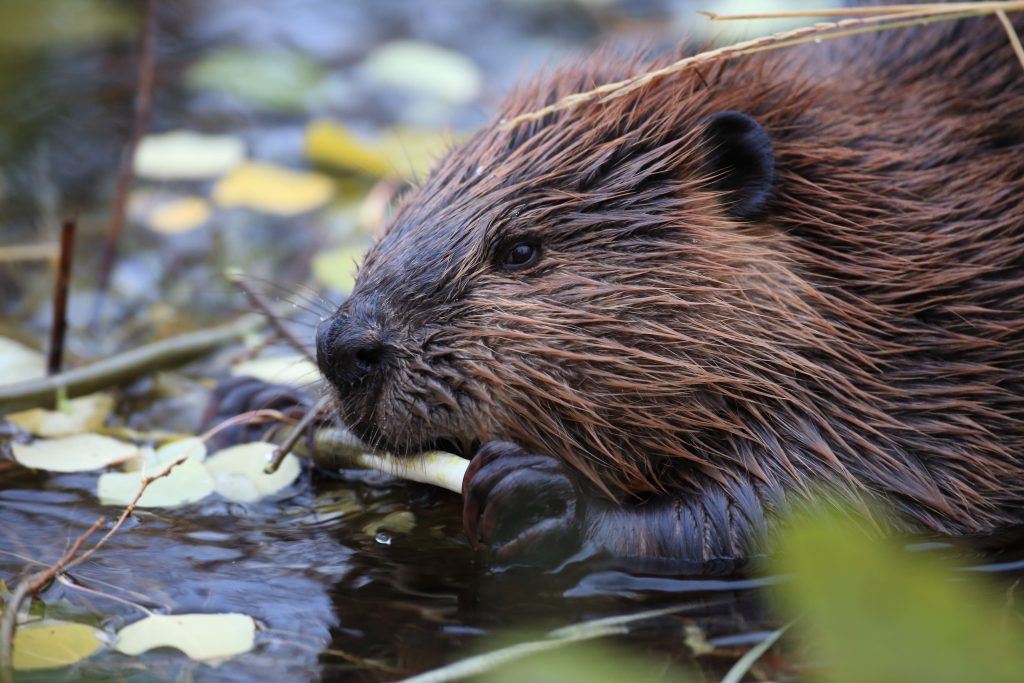
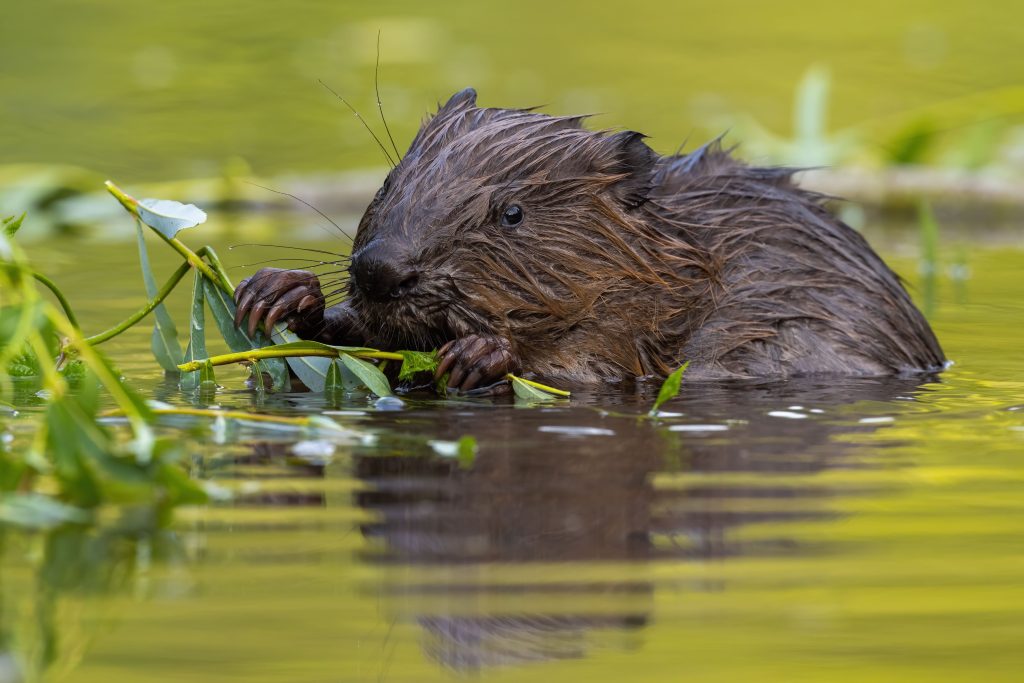
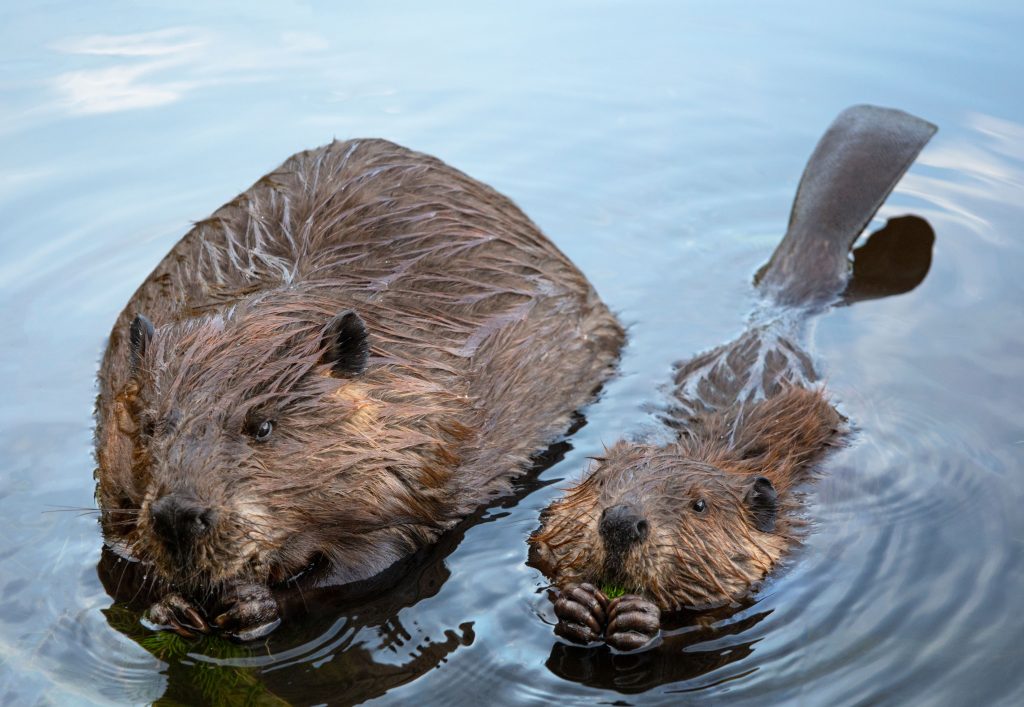
Yes. Eurasian beavers (Castor fiber) have successfully returned to Scotland after being extinct in Britain for more than 400 years. Following reintroduction trials beginning in 2009, as well as unauthorised releases, Scotland now supports a population of over 2,000 beavers, with numbers continuing to expand across the country.
The first officially recognised populations were established in Knapdale Forest in Argyll and Tayside, but beavers have since spread naturally into catchments including the River Forth, Clyde, and Fife regions.
Beavers are semi-aquatic mammals that live in freshwater environments such as:
- Rivers and burns
- Lochs and ponds
- Wetlands and marshes
- Floodplains and wooded waterways
Often described as “ecosystem engineers”, beavers modify their environment by building dams and lodges. These activities create wetlands that support a wide range of wildlife, improve water quality and can help reduce flood risk.
Are Beavers Protected in Scotland?
Yes. Beavers have been legally protected in Scotland since 2019.
They are protected under:
The Conservation (Natural Habitats, &c.) Regulations 1994 (as amended)
It is an offence to intentionally or recklessly:
- Capture, injure or kill a beaver
- Disturb a beaver
- Damage or destroy a beaver lodge, burrow or resting place
- Obstruct access to their resting sites.
Because of these legal protections, developments near watercourses may require ecological assessment where beavers or suitable habitat may be present.
Early ecological advice can help avoid planning delays, enforcement action or costly design changes.

When Might Beaver Surveys Be Required?
While dedicated beaver surveys are not always required, planning authorities may request ecological assessment where development could affect suitable beaver habitat, especially if your site is in an area where beavers are likely to be present
This may include:
- Development near rivers, burns, lochs or wetlands
- Bridge works, culverts or bank stabilisation projects
- Drainage works affecting watercourses
- Land clearance or vegetation removal near riparian habitats
- Flood management schemes
- Sites where a Preliminary Ecological Appraisal identifies potential beaver habitat.
If your site contains suitable habitat, your Local Planning Authority may require further ecological survey work before planning consent is granted.
Signs of Beaver Activity
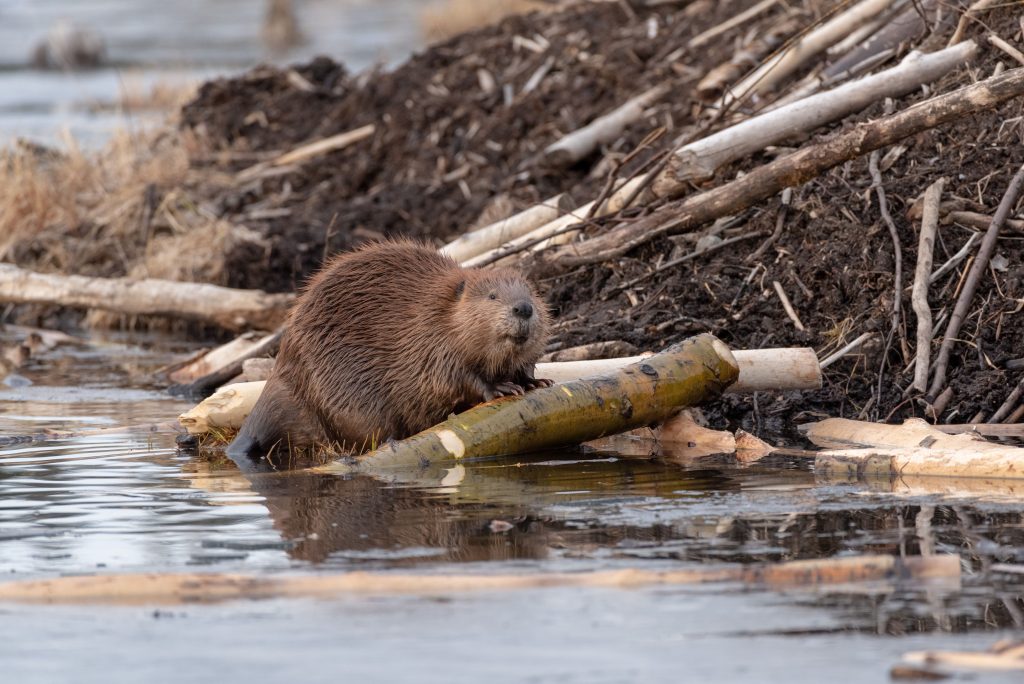
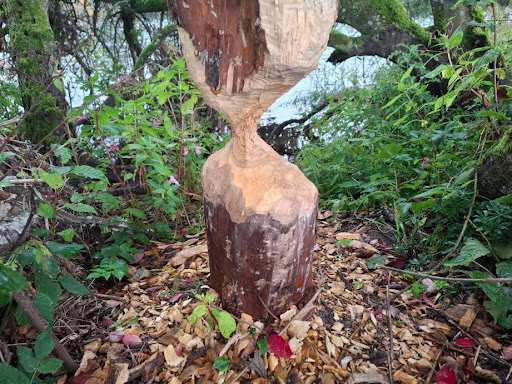
Beavers leave several distinctive signs that can indicate their presence in an area.
Common field signs include:
- Gnawed trees or branches with characteristic conical “pencil-shaped” bite marks
- Beaver dams built from sticks, mud and vegetation
- Lodges or burrows located in riverbanks
- Canals or channels dug to access feeding areas
- Footprints showing five toes on the hind feet
- Large wood chip piles near the water’s edge.
These signs are often found along slow-moving rivers, lochs or wetland margins where trees such as willow, birch and aspen are present.
How Ecological Surveys Can Support Development
If a site contains suitable habitat for beavers, ecological surveys help planning authorities understand potential impacts and determine appropriate mitigation.
During ecological assessments near freshwater habitats, our consultants may:
- Survey watercourses and surrounding habitats
- Look for signs of protected species activity
- Assess the suitability of habitats
- Identify potential constraints to development
- Provide recommendations to support planning applications
- Use trail cameras to monitor potential lodges.
Where protected species are identified, we can advise on mitigation, habitat protection measures or licensing requirements where necessary.
Reporting & Recommendations
You will receive a clear, planning-ready ecological report including:
- Survey findings
- Habitat assessments
- Impact evaluation
- Mitigation recommendations
- Licensing advice where applicable
Our reports are written to meet the expectations of Scottish planning authorities and ecological best practice.
What Happens If Beavers Are Present?
The presence of beavers does not necessarily prevent development.
However, appropriate mitigation and planning measures may be required to ensure compliance with wildlife legislation.
This may include:
- Protective buffer zones near lodges or burrows
- Timing restrictions for works
- Habitat protection measures
- Design adjustments to avoid sensitive areas.
Where licensing is required, we can guide clients through the process and provide ecological advice throughout the planning and development stages.
Where We Work
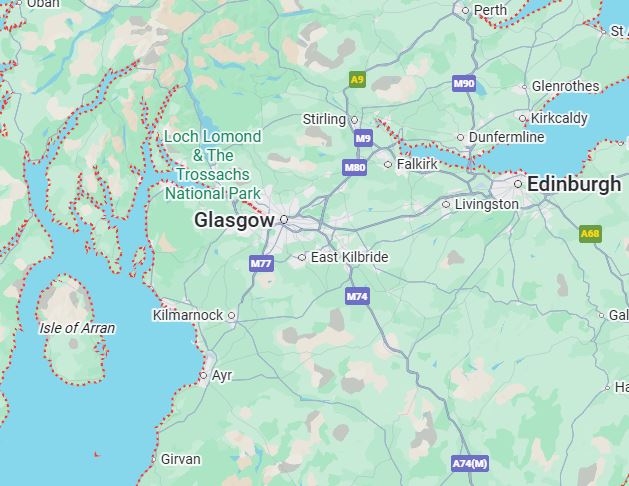
Our beaver surveyors in East Kilbride support projects across:
- Stirling
- Perthshire
- Fife
- Central Scotland & beyond
About EP Ecology
Founded in 2020, EP Ecology is a specialist ecological consultancy supporting planning applications and development projects across Scotland.
We are committed to delivering:
- Fast, accurate and legally compliant ecological surveys
- Deep knowledge of Scottish wildlife legislation and planning policy
- Support from survey stage through to licensing
- Practical advice that balances development needs with biodiversity protection.
Our team regularly supports:
- Residential developments
- Infrastructure projects
- Renewable energy schemes
- River and wetland projects.
Book Your Beaver Survey in Scotland Today
If your development site is located near rivers, wetlands or other freshwater habitats, early ecological advice can help avoid delays and ensure legal compliance.
Call us on 01355 457577
Email: info@epecology.co.uk
Or use our quick enquiry form to get started