Species Profile:
Otters - Professional Otter Surveys in Scotland
At EP Ecology, we provide professional otter surveys across Scotland for developers, homeowners and planning consultants. As a European Protected Species, otters and their resting places are strictly protected under Scottish law, making early ecological assessment essential for any development near rivers, lochs, wetlands, or coastal habitats.
From our base in East Kilbride, our ecological consultants deliver fast, compliant otter surveys to support planning applications and prevent costly delays across Scotland. With reports typically turned around within 10 working days, we help keep projects on track while ensuring full legal compliance.
Why Choose EP Ecology for Your Otter Survey?
- Reports delivered in 10 working days
- Experienced ecological consultants based in East Kilbride
- Scotland-wide coverage
- Fully compliant with Scottish wildlife legislation
- Trusted by planners, architects & developers
Get a Free Quote Today
Need an otter survey in Lanarkshire, Glasgow or elsewhere in Scotland?
Call our friendly team or fill out our quick enquiry form for a no-obligation quote.
Are There Otters in Scotland?
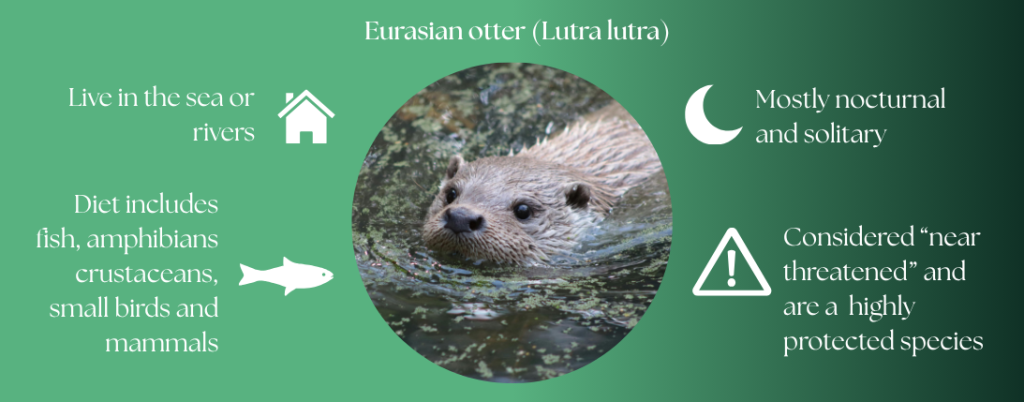
Scotland plays home to more than half of the UK otter population, where they are doing well throughout our waterways. There are an estimated 8,000 individuals across Scotland.
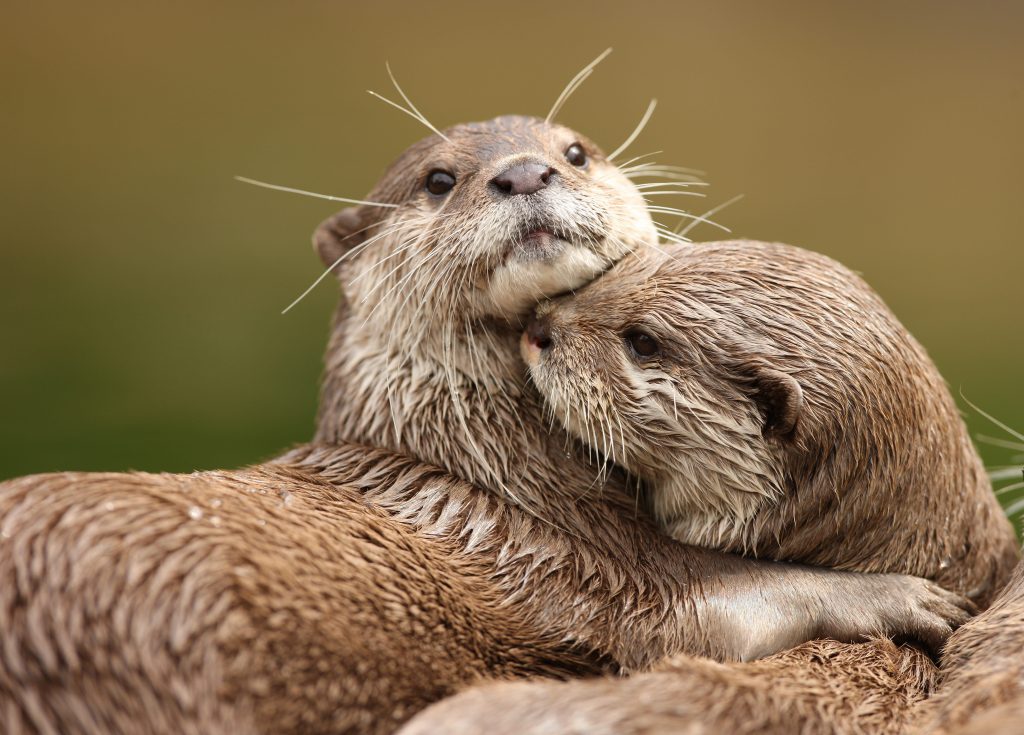
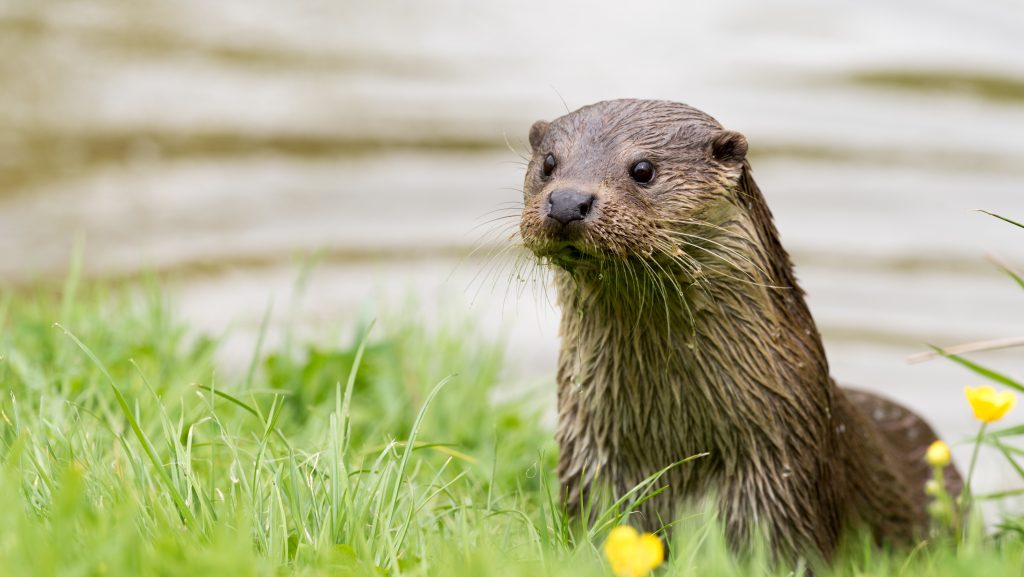
Otters are semi-aquatic mammals, and you’ll find them in both freshwater and marine areas. In Scotland we just have one species of otter (the Eurasian otter, Lutra lutra), so whether you see an otter in a river or in the sea it’s the same species. Otters that live near the sea will still need a freshwater source to keep their insulating coat salt-free, and you might be more likely to see them during the day. Otters that live in rivers tend to be more nocturnal so you are less likely to spot one.
Otters favour clean, healthy waterways and are considered an indicator species for good water quality. During the 1950s to 1970s, otters experienced declines in England and Wales due to pollution in waterways, but they were able to survive in cleaner Scottish waters.
Are Otters Protected in Scotland?
Yes. Otters are fully protected under:
- The Conservation (Natural Habitats, &c.) Regulations 1994 (as amended)
It is a criminal offence to intentionally or recklessly:
- Capture, injure or kill an otter
- Disturb an otter
- Damage, destroy or obstruct access to an otter holt or resting place
Importantly, their holts and resting sites are protected whether or not otters are present at the time.
Because of this strict legal protection, planning authorities in Scotland frequently require otter surveys where development could affect suitable habitat.
Early assessment reduces the risk of enforcement action, delays or redesign costs.
When Is an Otter Survey Required?
You may need an otter survey if your project involves:
- Proposed works within 200 metres of a river, burn, loch, or coastline
- Culvert installation, bridge repair, or bank stabilisation
- Vegetation clearance along watercourses
- Development affecting wetlands or marshy ground
- Lighting schemes near riparian corridors
- Any development where a Preliminary Ecological Appraisal identifies suitable otter habitat
If your site triggers any of the above, your Local Planning Authority may require an otter survey to support your planning application.

What are the signs of otters?
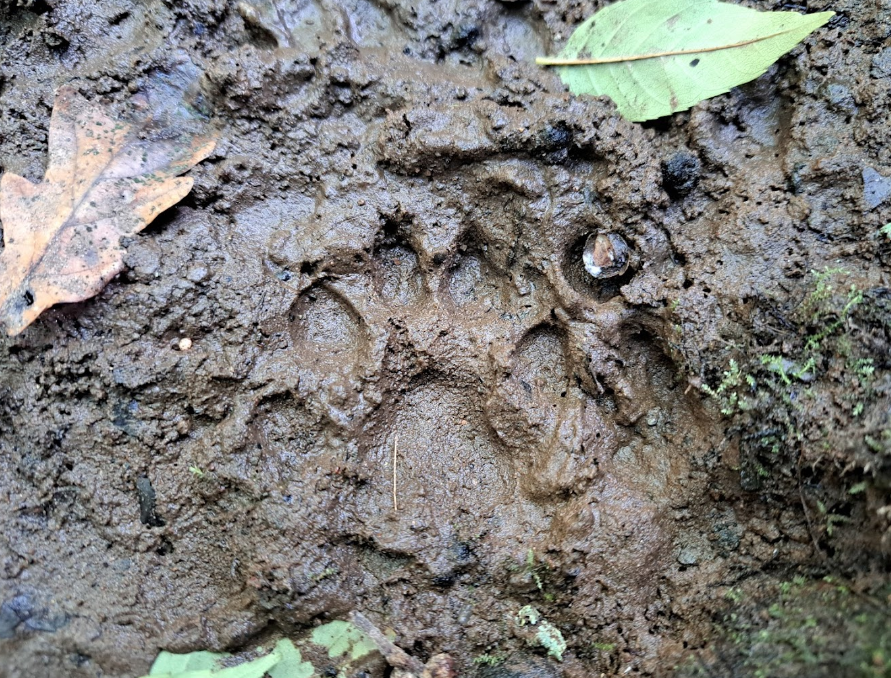
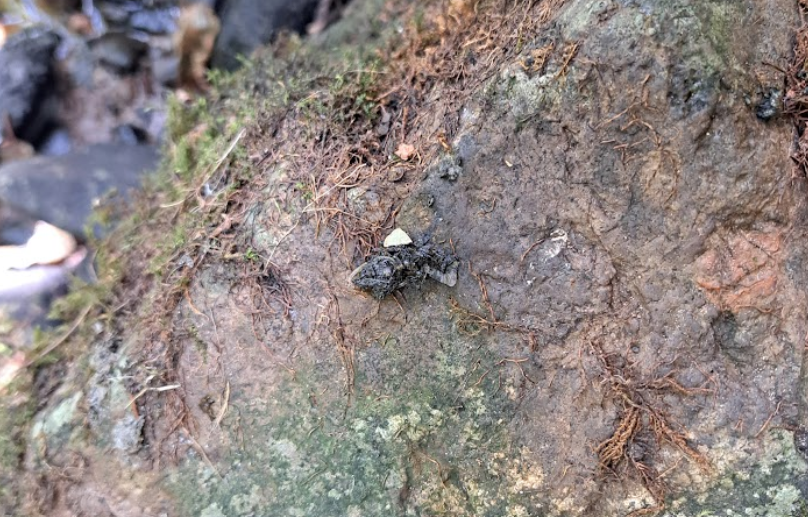
Some of the more obvious signs of otters include their prints and spraint. Otters have five toes, which makes the print distinct to a dog, which only has four visible toes. As their diet includes fish, their typical black spraint may have visible fish scales, which may even “sparkle” if you shine a light on it. To tell if it’s mink or otter, give the spraint a sniff – if it smells sweet, it’s probably otter, but if it smells repulsive, it’s probably mink! You may also come across anal jelly (which is actually now thought to be mucus from the gut) and look out for paths and slides where the otters enter or exit the water.
How Our Otter Surveys Work
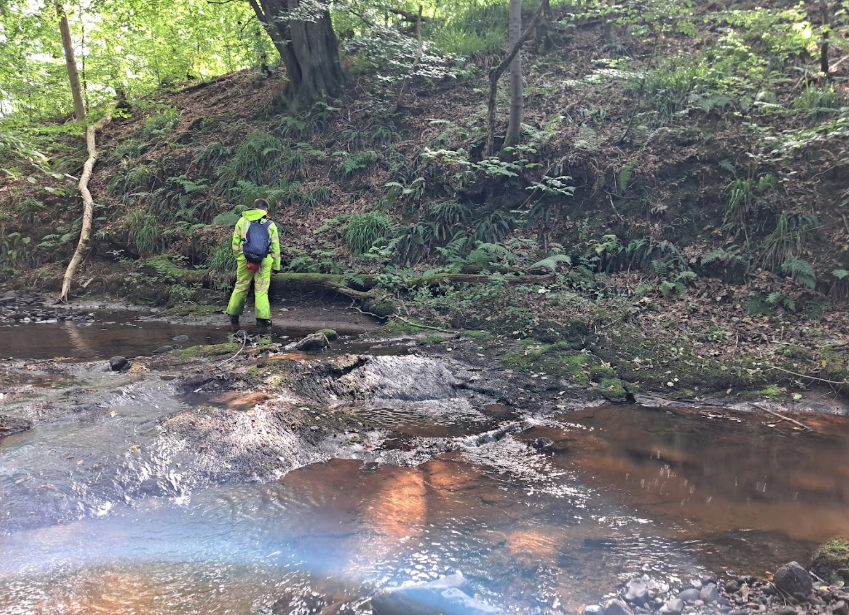
All otter surveys follow best practice guidance and Scottish planning requirements. On an otter survey we would look out for the signs of otter described above, carefully examining river courses or marine sites. We’ll also look for potential holts (dens) or wallows where otters might have been resting. If necessary, we could also use camera trapping to gather evidence of otters actively using the site.
Surveys are typically carried out during daylight hours and may require more than one visit depending on site size and complexity. Otter surveys can take place all year round, although this can depend on the weather conditions.
Reporting & Recommendations
You will receive a clear, planning-ready report including:
- Survey findings
- Mapped holt locations (handled confidentially)
- Impact assessment
- Mitigation recommendations
- Licensing requirements where applicable
What Happens If Otters Are Found?
If otters or active holts are identified, development may still proceed – but mitigation and potentially licensing will be required.
Our ecologists will support you with:
- NatureScot licence applications
- Designing buffer zones
- Timing restrictions to avoid sensitive periods
- Habitat enhancement measures
We ensure all steps are completed to maintain compliance while minimising project disruption.
Where We Work
Our licensed otter surveyors in East Kilbride carry out work across:
- Glasgow & Greater Glasgow
- Lanarkshire
- Ayrshire
- Stirling
- Edinburgh
- Perthshire
- Dumfries & Galloway
- Fife
- Central Scotland & beyond
About EP Ecology
Founded in 2020, EP Ecology is a specialist ecological consultancy supporting planning applications across Scotland.
We are committed to delivering:
- Fast, accurate, and legally compliant surveys
- Deep knowledge of Scottish wildlife legislation and planning policy
- Support from survey stage through to licensing
- Conservation-focused recommendations that protect biodiversity
We regularly assist with:
- Residential developments
- Infrastructure schemes
- Renewable energy projects
- Watercourse works and restoration projects
Book an Otter Survey in Scotland Today
Don’t risk planning delays or legal issues – ensure your site is assessed by experienced ecological consultants.
Call us on 01355 457577
Email: info@epecology.co.uk
Or use our quick enquiry form to get started